To be performed in 5 sections called the HEAD ARRANGEMENT:
1. INTRODUCTION - opening four bars, played by the rhythm section, followed by the riff.
2. HEAD 1 - Head Melody, followed by riff which is played twice.
3. SOLOS - For all instrument in class, each followed by the riff
4. HEAD 2 - Head melody, followed by the riff is played twice.
5. CODA - final ending or fade out riff.
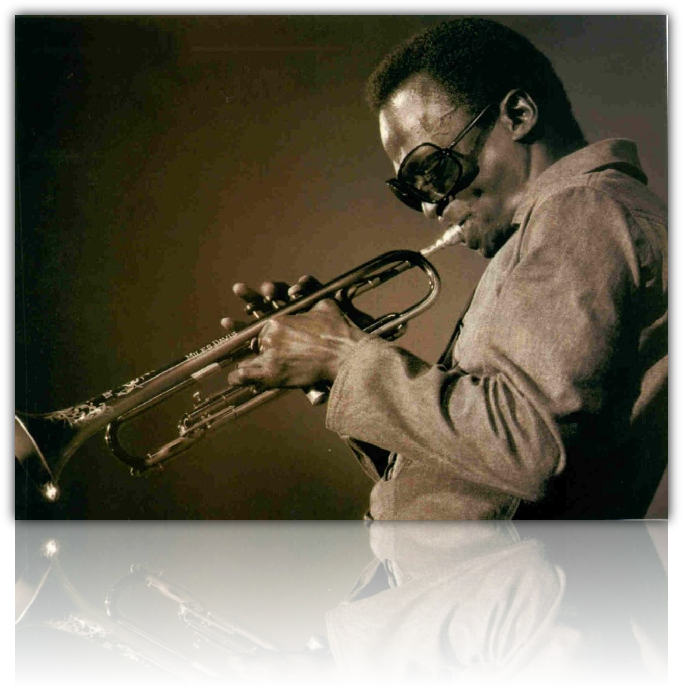
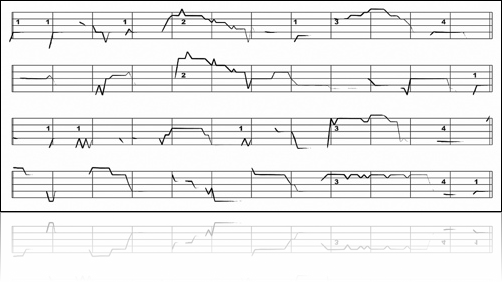
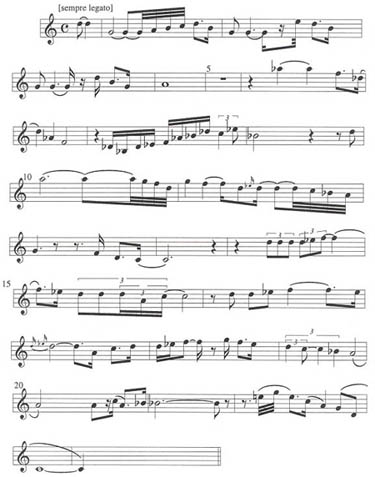
Miles Davis' Solo! in non-traditional notation (graphic)
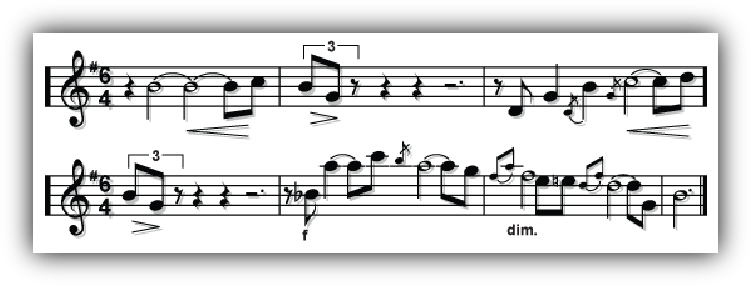
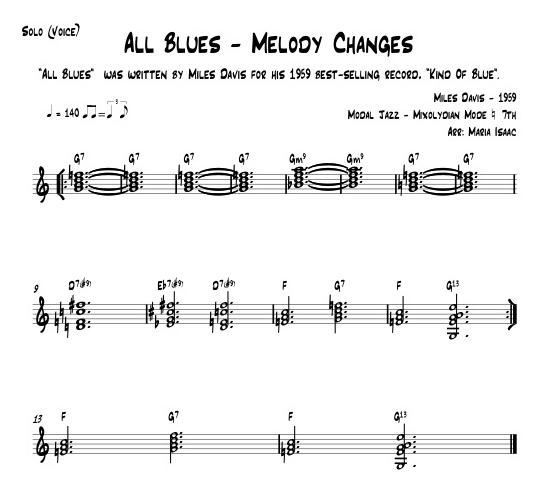
Example of a solo over melody
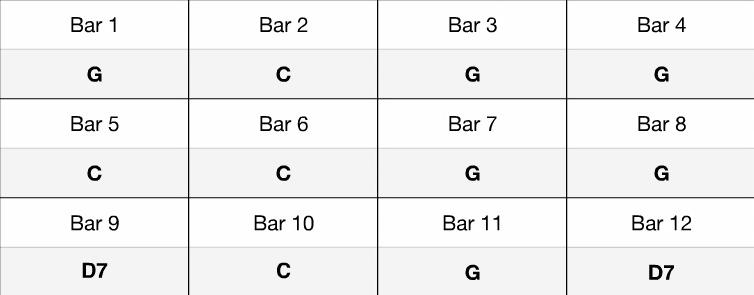
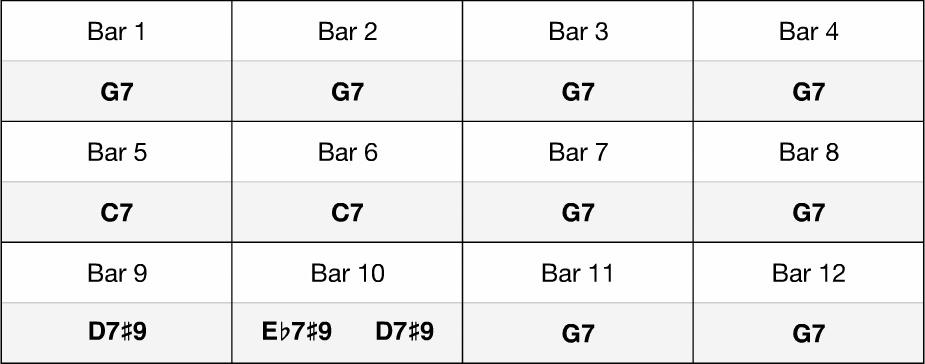
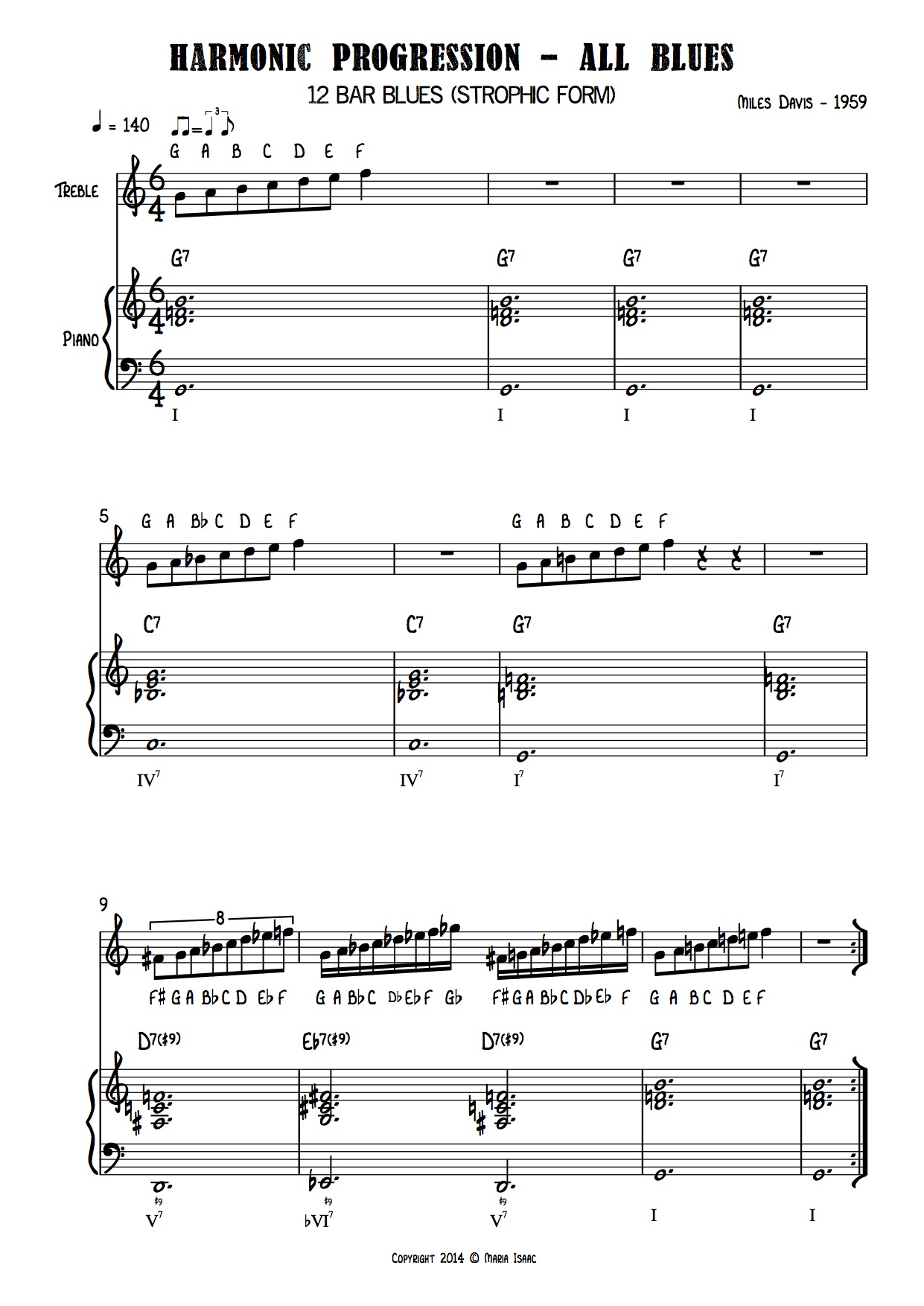
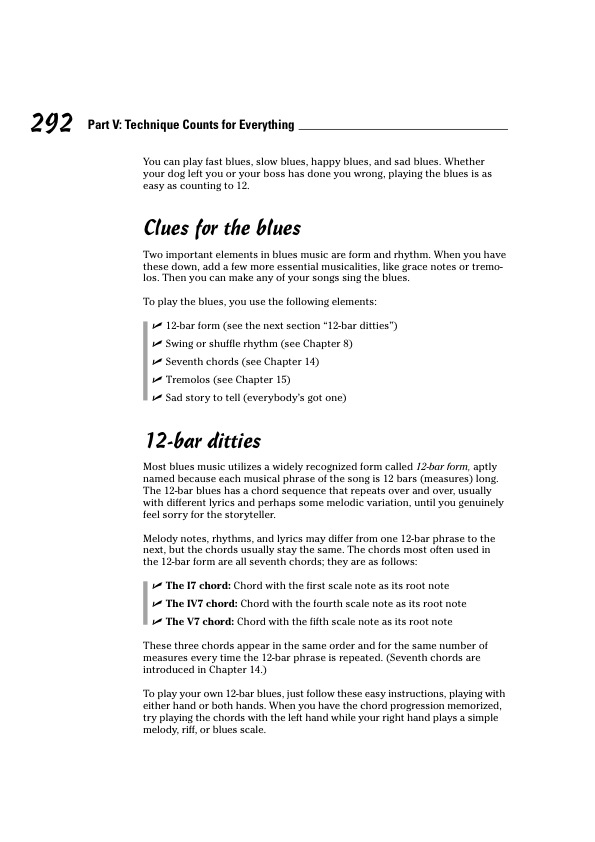
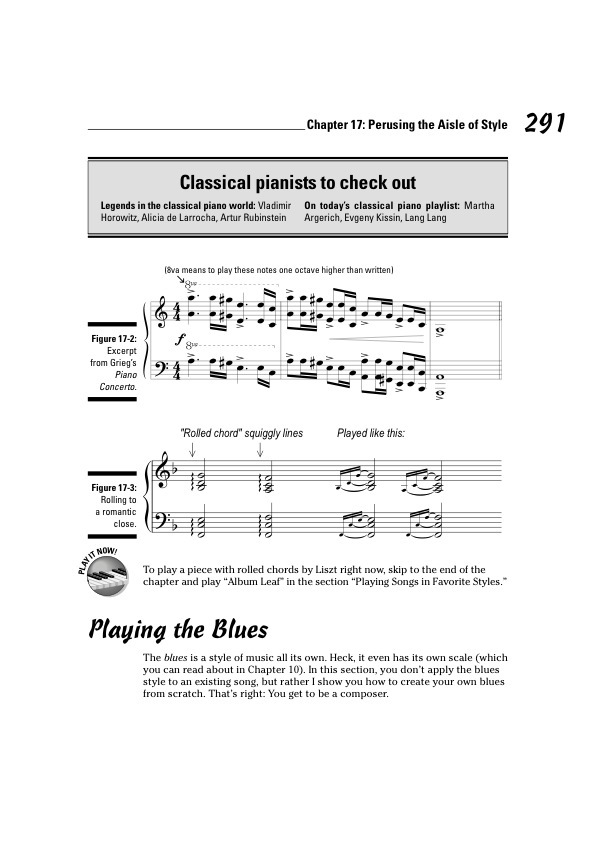
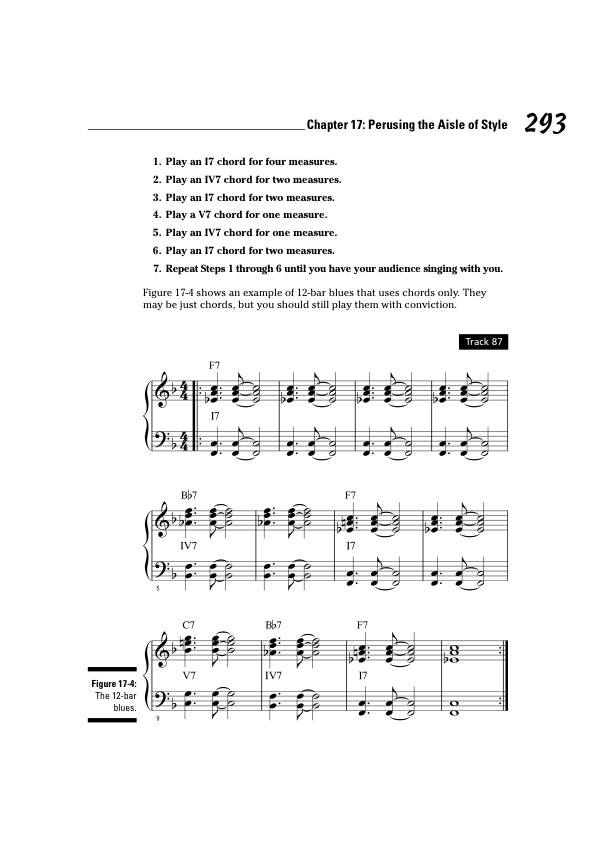
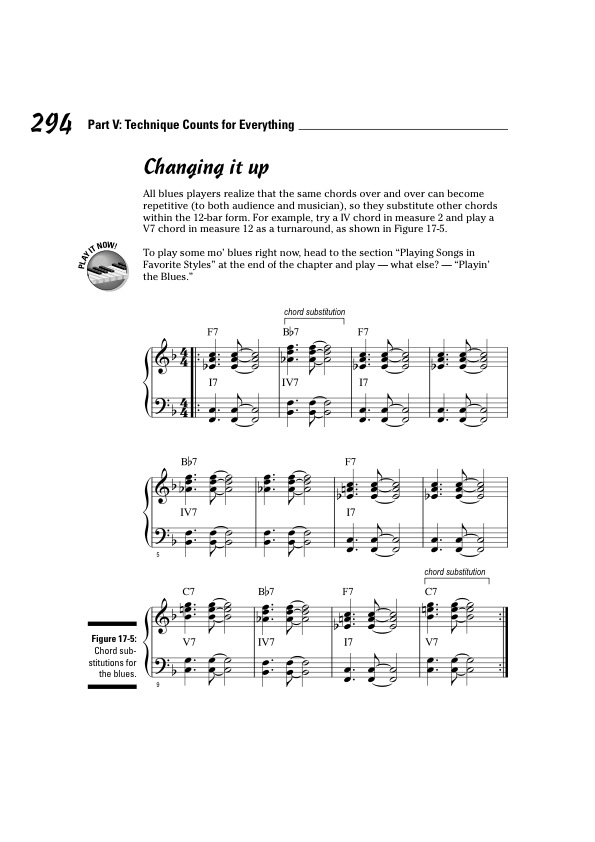
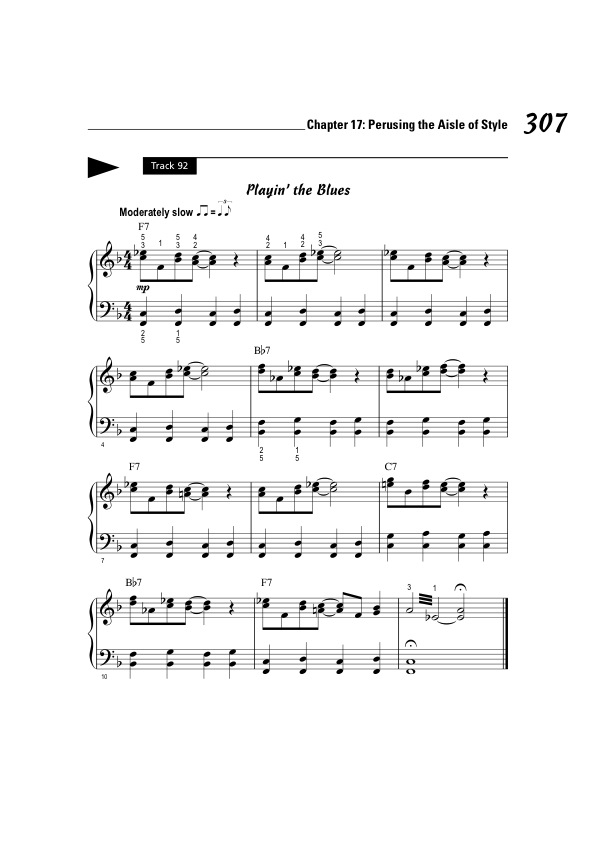
12 Bar Blues Simply Jazzing it up on the Piano
Click on Image for full article including "Composite melody landscapes" of the solos in All Blues
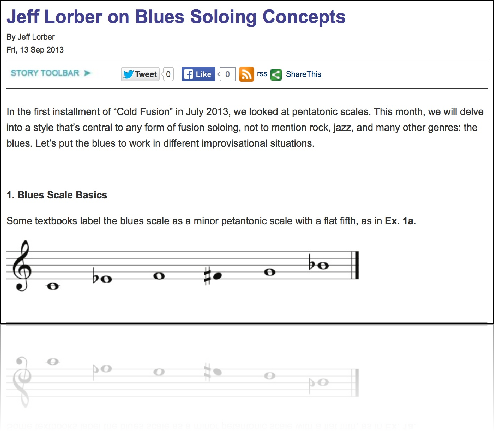
Click on Image for full article and tips on which Intervals to use when playing the Blues and All Blues
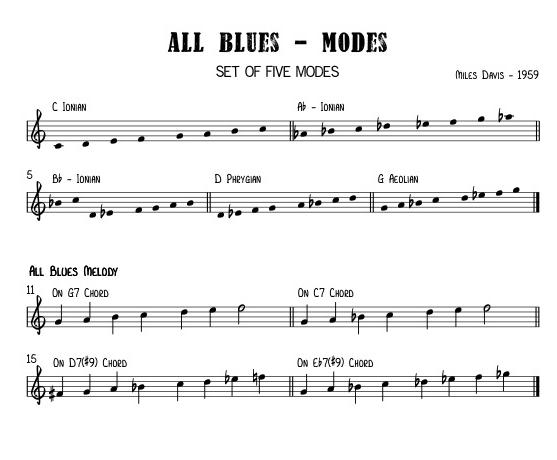
Suggestions for melody in G
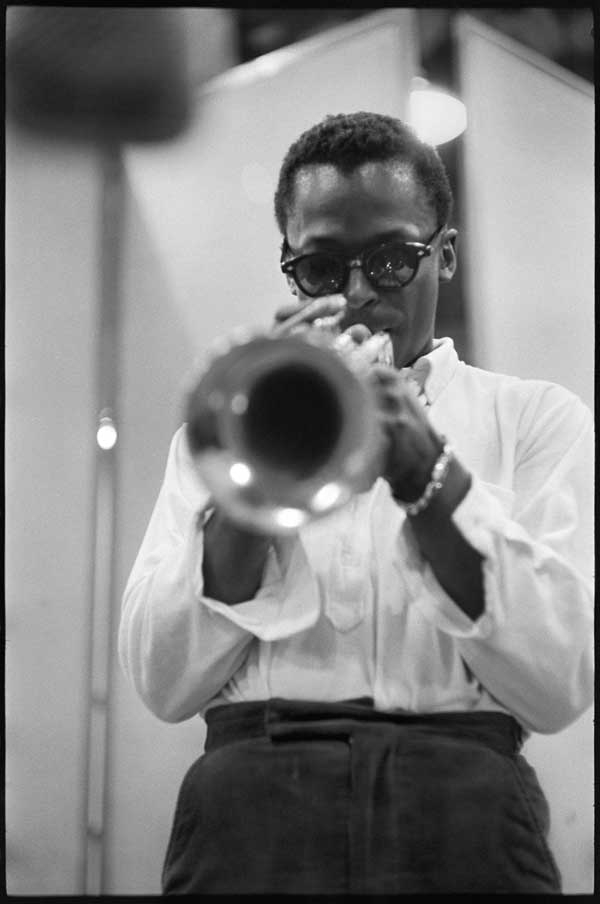
Miles' Solo on Trumpet - First Section
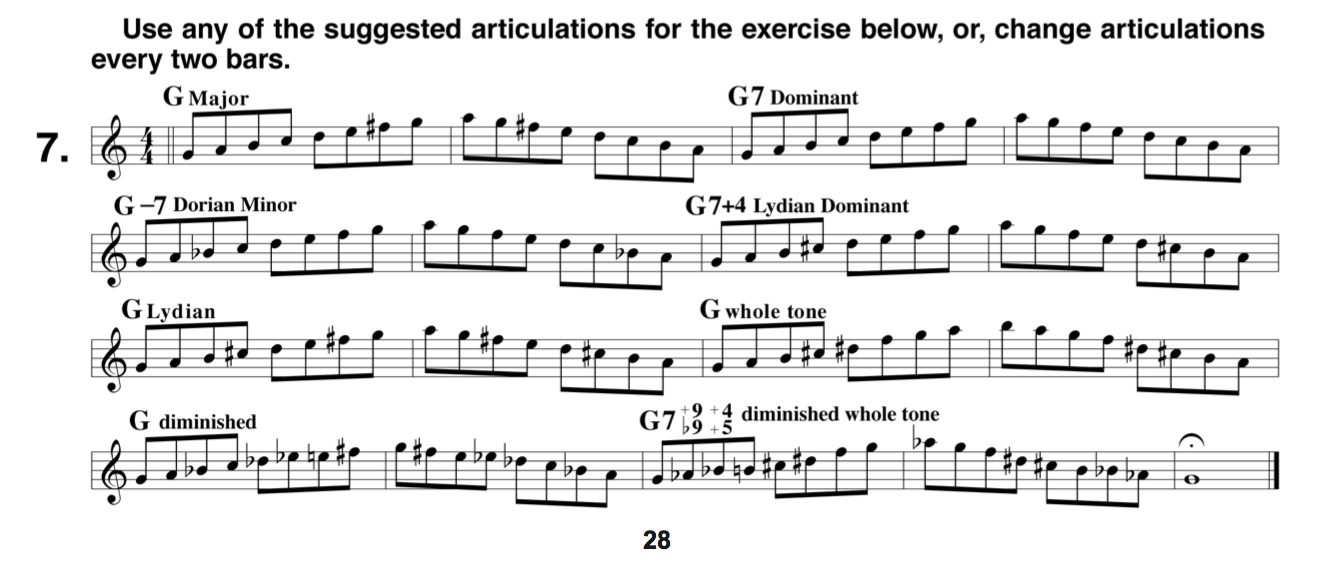
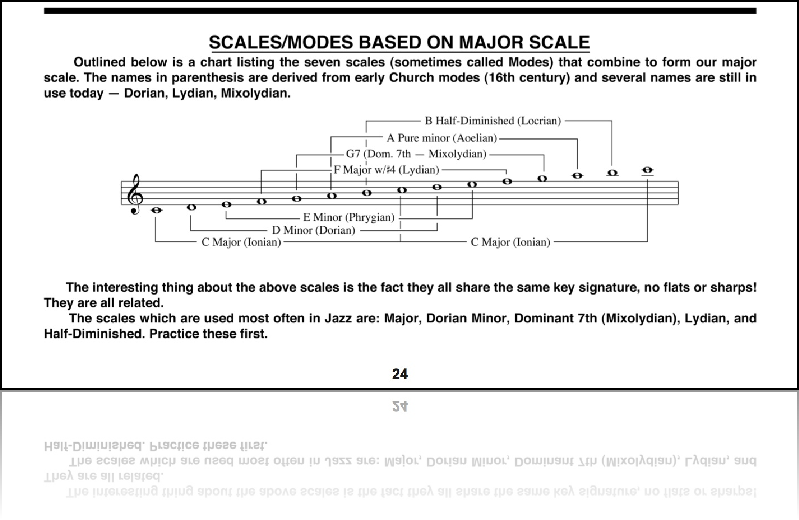
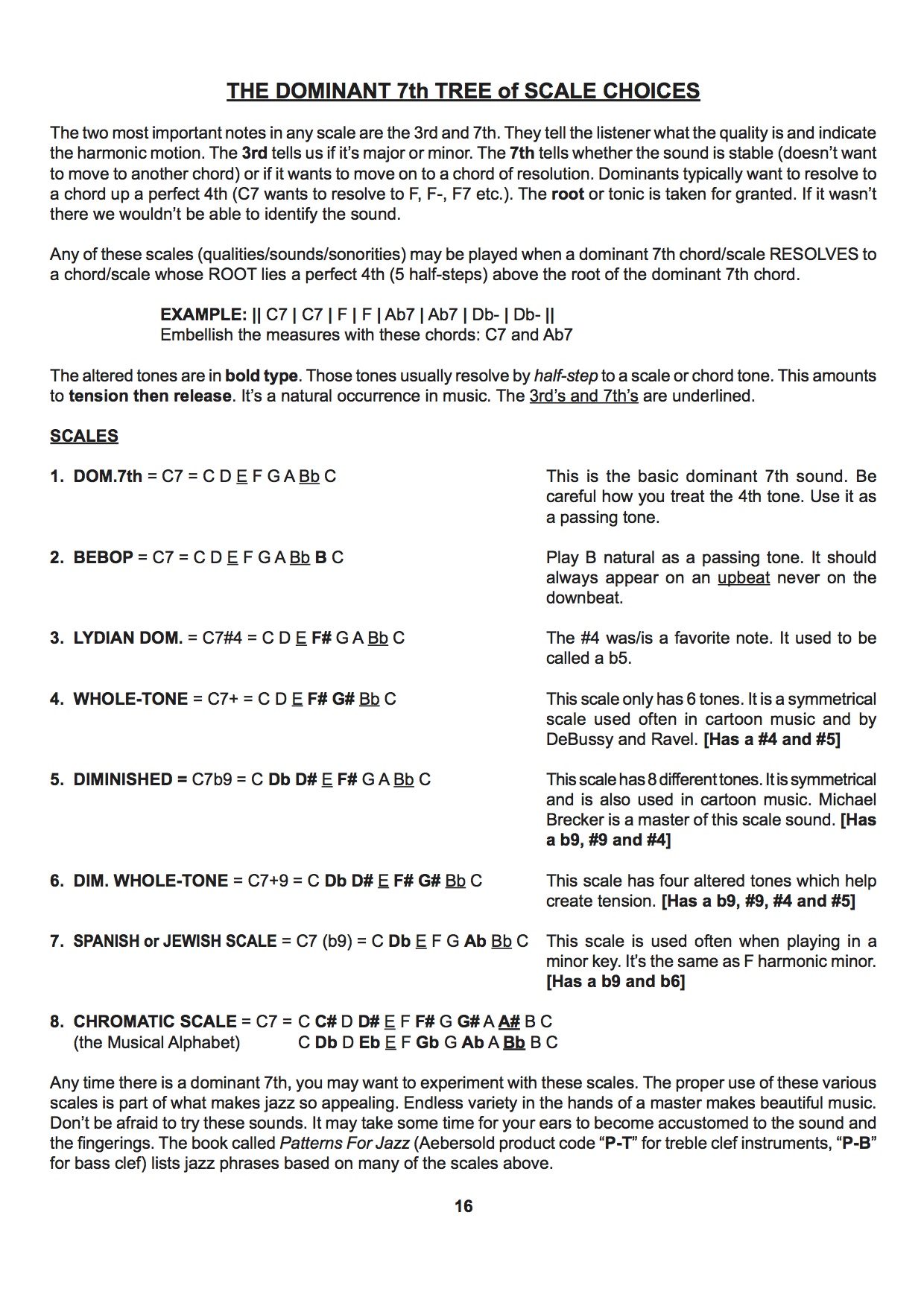
Dominant 7th 'TREE' of SCALE Choices
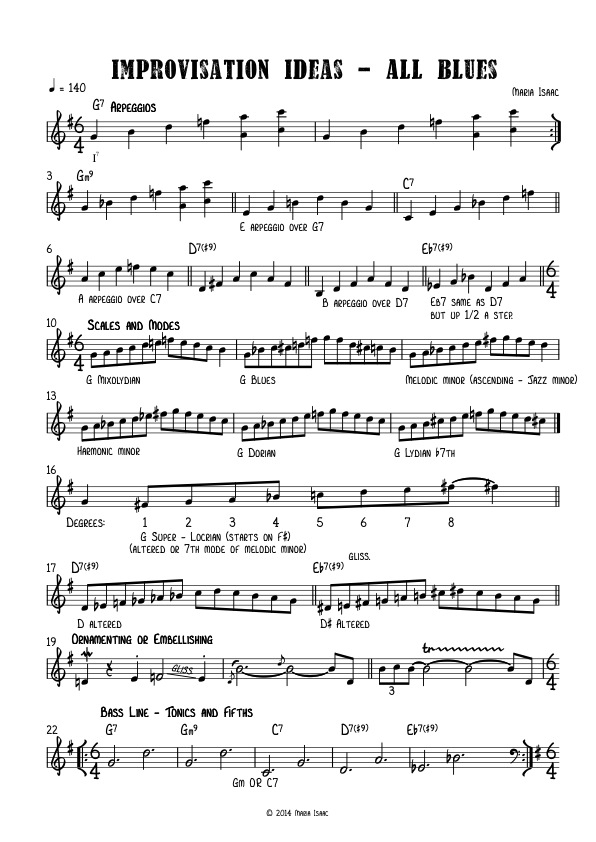
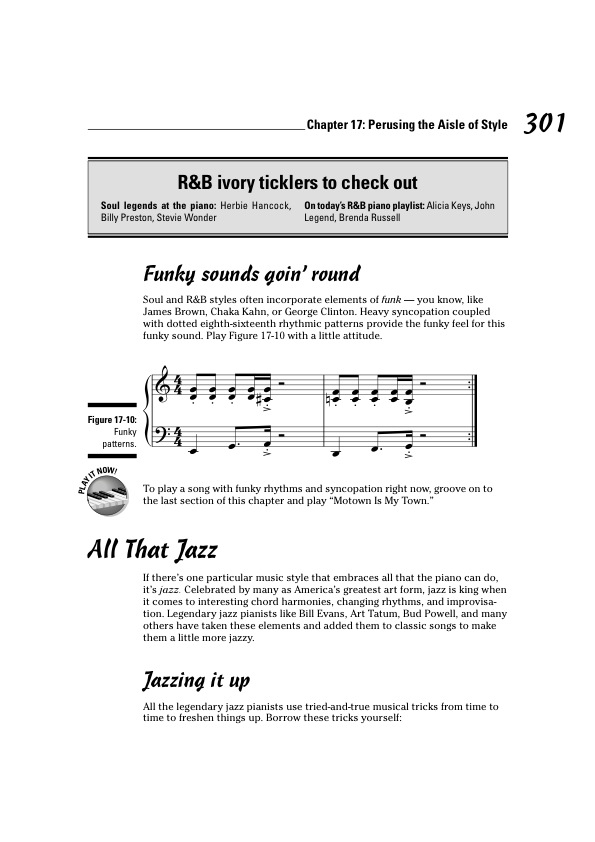
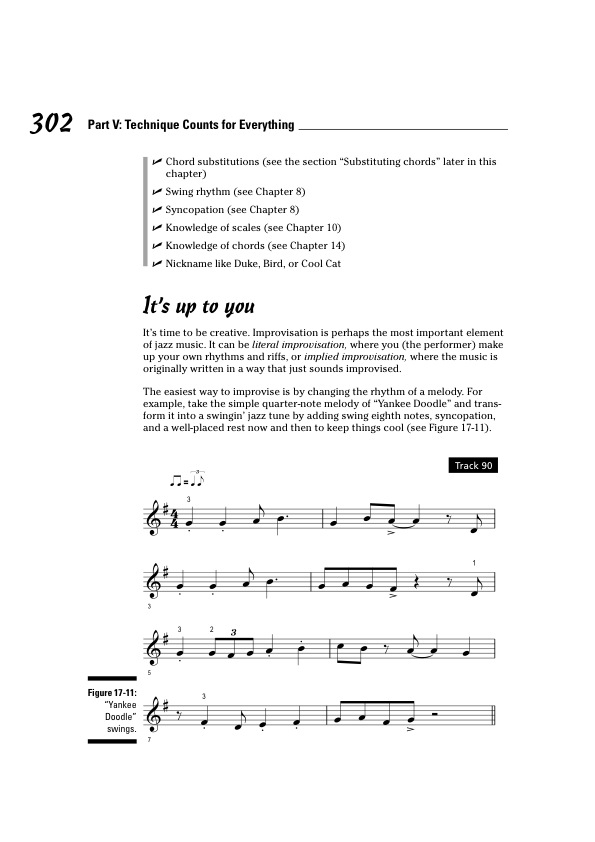
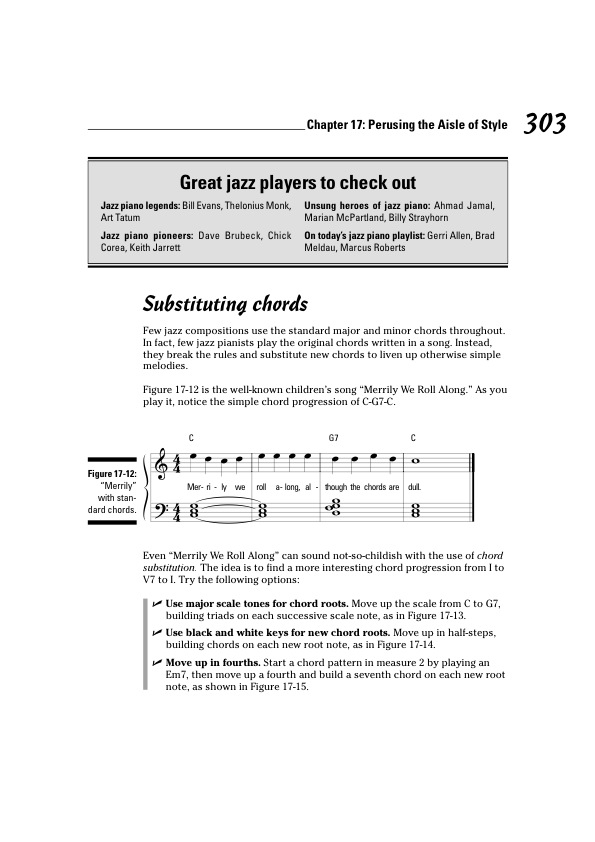
A few good examples of using different scales to make your improvisations more interesting…
Over minor chords:
the Dorian minor scale
the Melodic minor ascending scale (also called the jazz minor)
the Blues scale
Over major chords:
the lydian scale
the lydian augmented scale (the 3rd mode of the melodic minor)
Over dominant 7th chords:
the minor blues scale
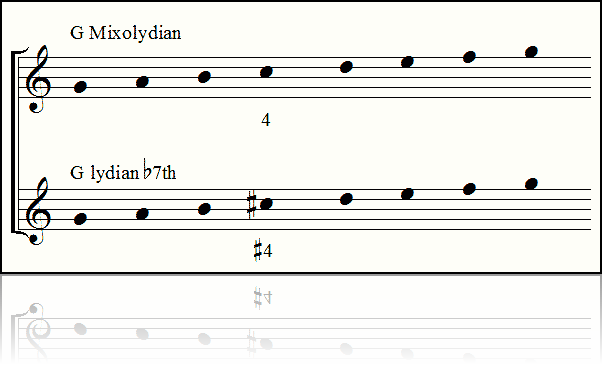
the mixolydian scale
the super locrian scale (also called the altered scale or 7th mode of the melodic minor)
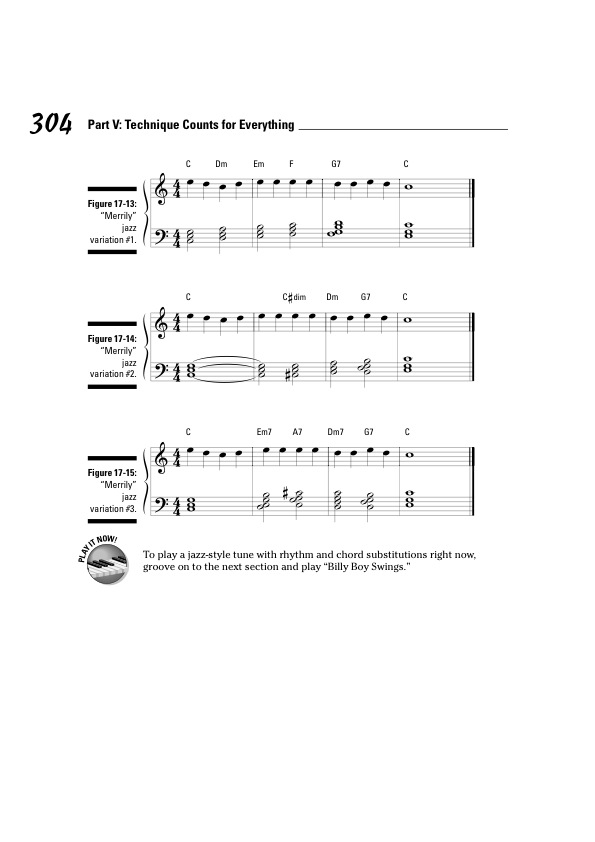
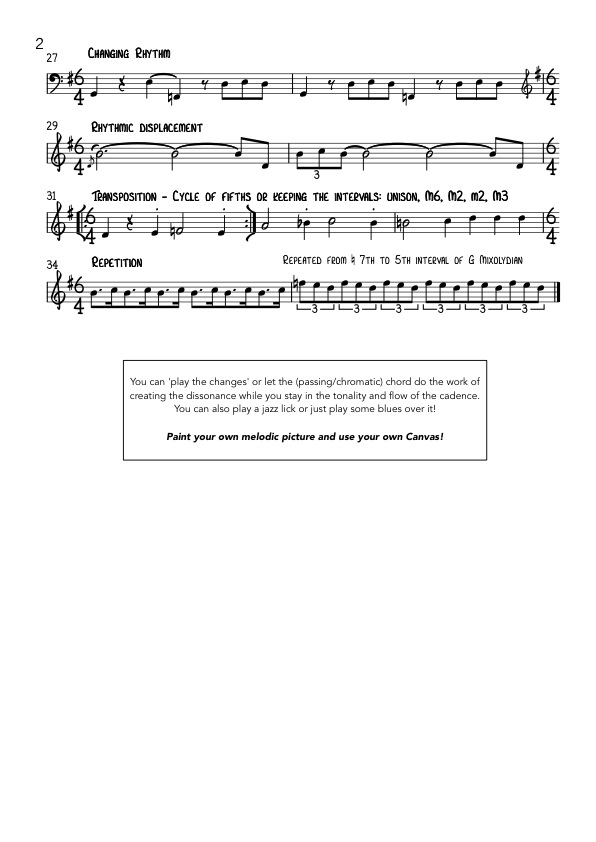
You can 'play the changes' or let the (passing/chromatic) chord do the work of creating the dissonance while you stay in the tonality and flow of the cadence. You can also play a jazz lick or just play some blues over it!
Paint your own melodic picture! and use your own Canvas.
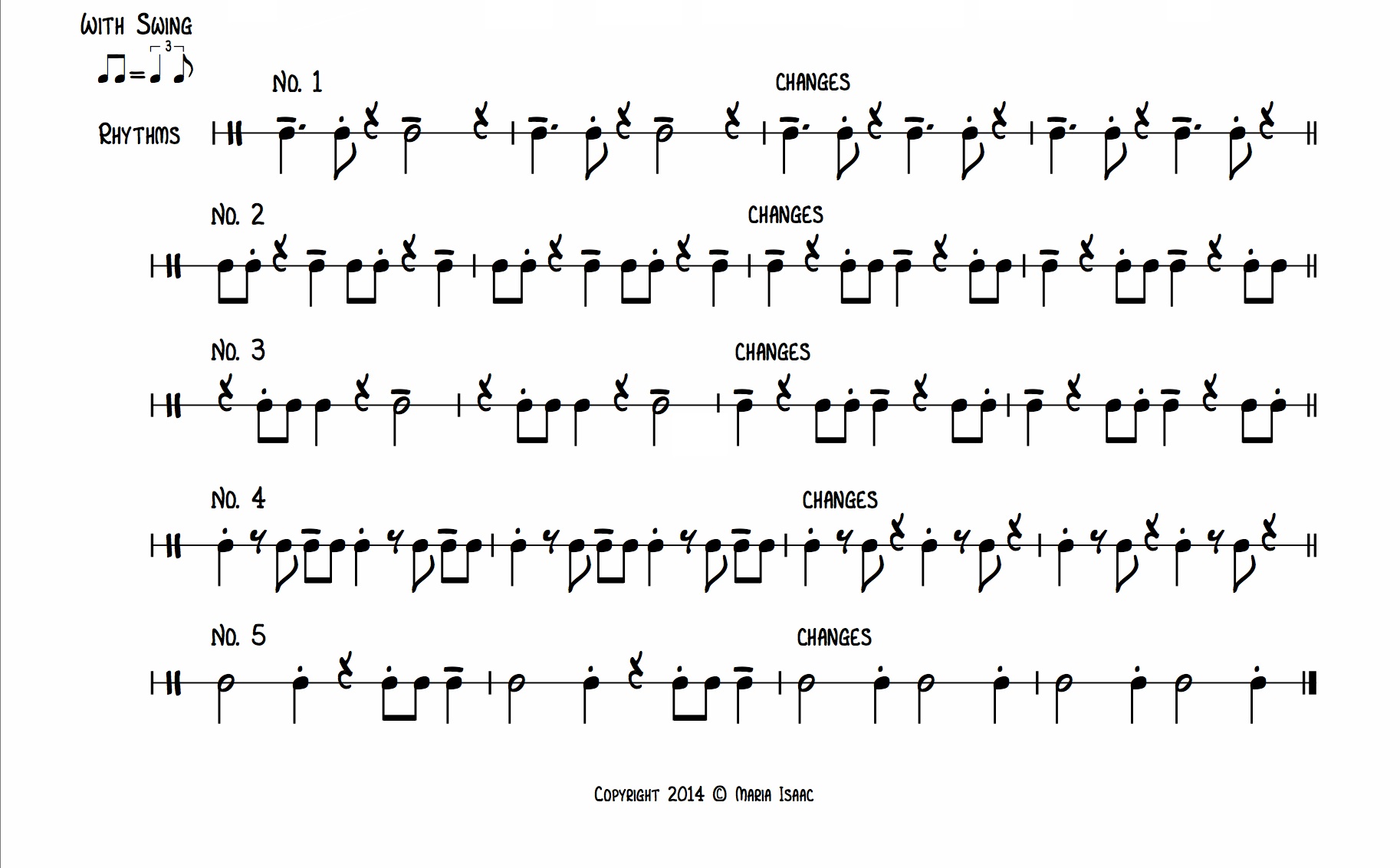
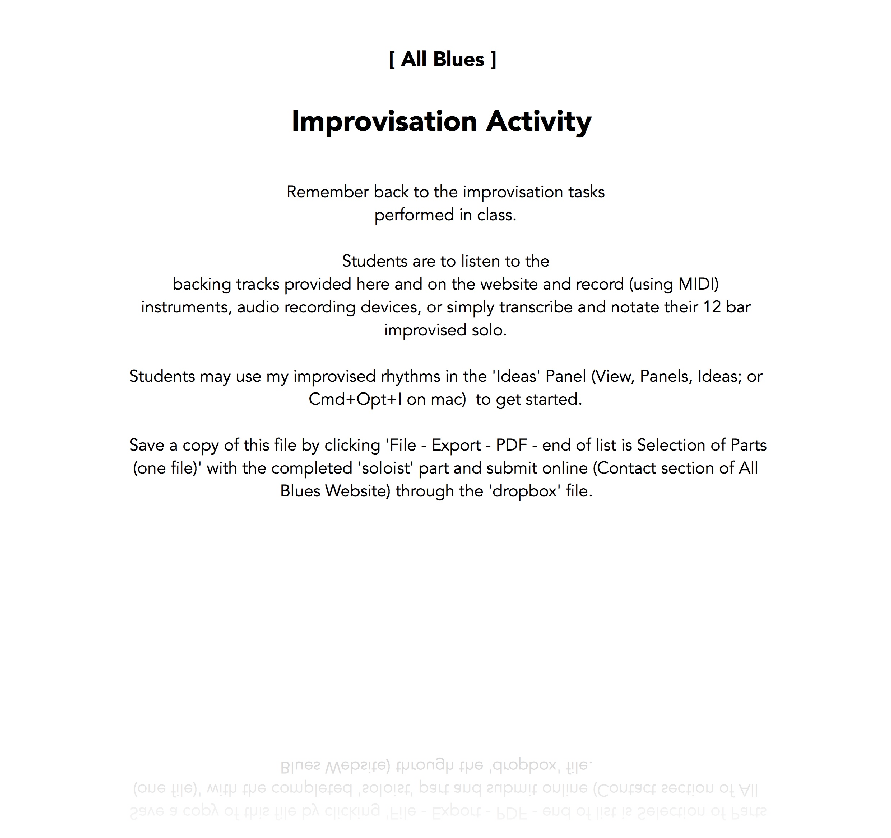
Complete the following Improvisation Activity:
Click Image to Open
Sibelius. file to access 'Ideas' Panel: